From Attorney Okojie
A Profession About People, Not Just Cases
Years of California plaintiff-side practice, and one lesson that has never changed.
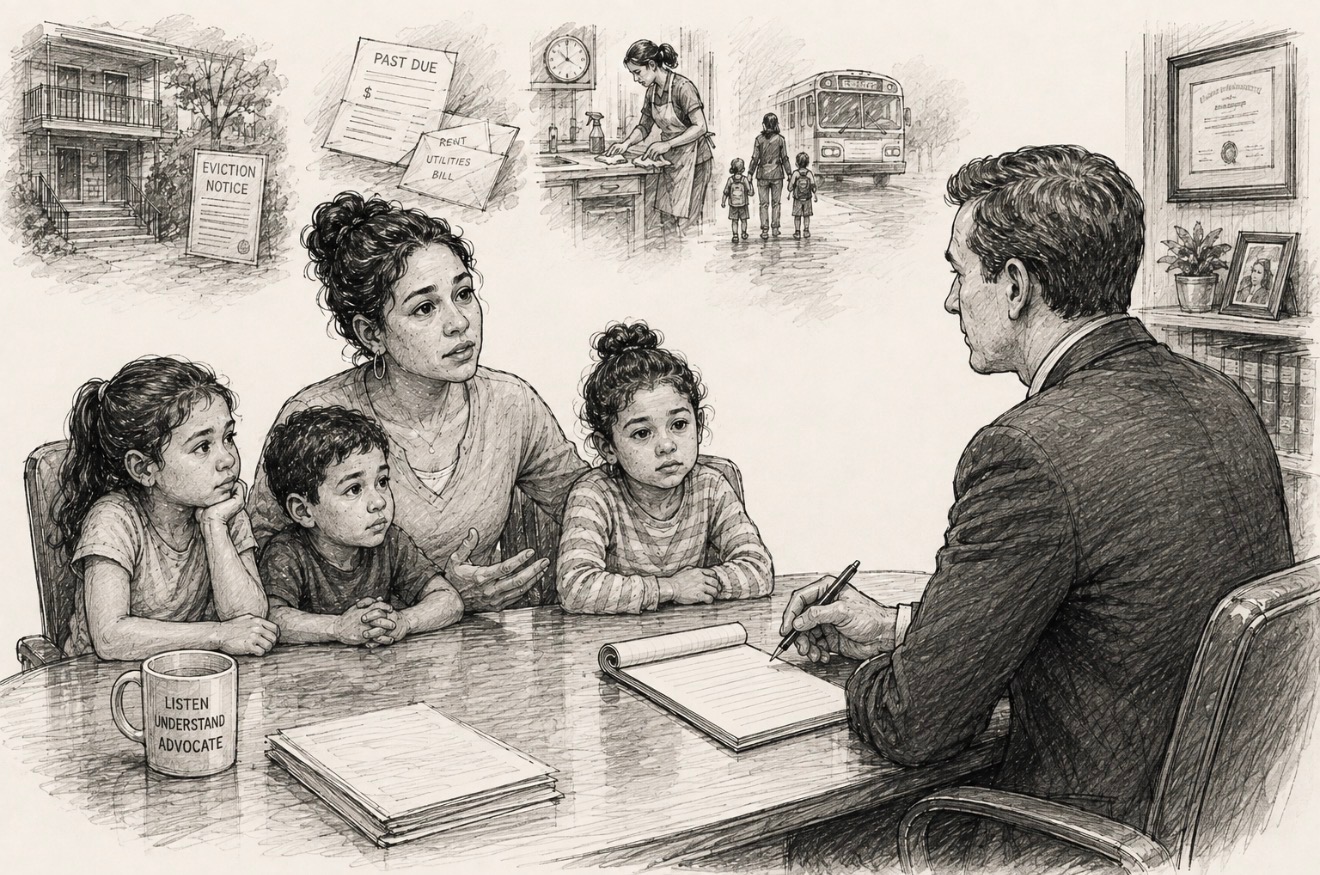
When people learn that I have practiced law for more than three decades, they sometimes ask what has kept me motivated for so long. It is a fair question. The practice of law can be demanding. Deadlines are relentless, discovery disputes seem endless, trials are stressful, and the responsibility of advocating for another person’s future is one that no conscientious lawyer takes lightly.
Yet if I were asked today why I continue to practice law, my answer would be remarkably similar to the one I might have given as a young lawyer. It has never been about simply winning cases. It has always been about helping people navigate some of the most difficult chapters of their lives.
Over the years, I have represented employees who believed they had been treated unfairly in the workplace, tenants living in unsafe or discriminatory housing conditions, individuals denied their civil rights, families coping with devastating personal injuries, and businesses confronting complex legal disputes. Although the legal issues vary from case to case, one thing remains constant. Every client arrives with a story before they arrive with a lawsuit.
The Law Has Changed. People Have Not.
The law today looks very different from the law I began practicing more than thirty years ago. New statutes have been enacted. Courts have refined and sometimes redefined longstanding legal principles. Technology has transformed nearly every aspect of litigation, from electronic discovery to remote depositions and virtual hearings. Artificial intelligence is beginning to influence legal research and case preparation in ways few could have imagined when I first entered the profession.
But despite all of these changes, people have remained remarkably the same.
They still want to be treated fairly. They still want someone to listen. They still want to know that their concerns matter. And when they have suffered a genuine wrong, they want an advocate who will stand beside them with competence, honesty, and determination.
That realization has become one of the enduring lessons of my career. Cases may involve statutes and precedent, but they are ultimately about people.
Listening Before Litigating
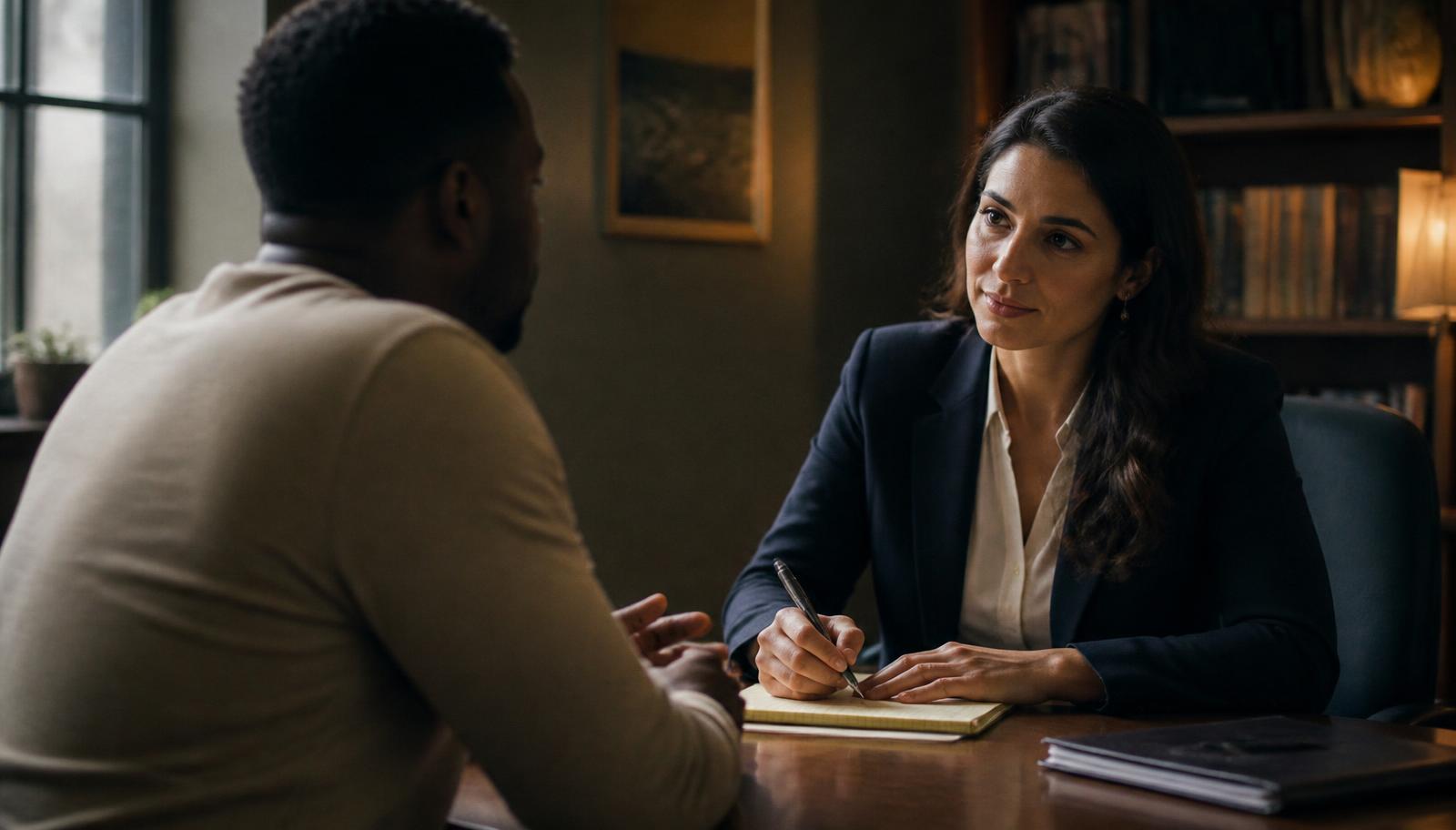
One lesson that experience has reinforced is that some of the most important work a lawyer performs happens long before the first pleading is filed.
It begins by listening.
Clients often come to an attorney after months or even years of frustration. They may have tried to resolve the problem themselves. They may have spoken with employers, landlords, insurance adjusters, supervisors, government agencies, or opposing counsel without success. By the time they walk into a lawyer’s office, many are carrying more than legal questions. They are carrying disappointment, uncertainty, and, in some cases, a loss of confidence that anyone truly cares about what happened to them.
Listening is not simply a matter of courtesy. It is part of effective advocacy. The facts that initially appear insignificant often become central to a case. Just as importantly, listening reminds clients that they are not merely another file in a cabinet or another number on a docket. They are people placing their trust in someone else at a time when that trust may not come easily.
Preparation Is a Form of Respect
As my career has progressed, another belief has become increasingly important to me: preparation is one of the highest forms of respect an attorney can show a client.
Whether a matter ultimately settles through negotiation or mediation, or proceeds to trial, every client deserves to know that his or her attorney has thoroughly investigated the facts, mastered the applicable law, anticipated the opposing arguments, and is fully prepared to present the case in court if necessary.
Several years into my career, I also became a certified mediator through the Los Angeles County Bar Association. That experience gave me an appreciation for dispute resolution from a different perspective. It confirmed something I had already begun to observe as a litigator, that the strongest settlements are often achieved not by lawyers eager to avoid trial, but by lawyers who have prepared so thoroughly that both sides understand the risks of continuing the litigation.
Preparation does not make settlement less likely. Quite often, it makes meaningful settlement possible.

Why I Continue
There have been moments over the years when a favorable verdict, a successful mediation, or a negotiated settlement has brought obvious satisfaction. But those moments are not what have sustained me.
What has sustained me is seeing a client leave my office knowing that someone believed in the merits of their case, treated them with dignity, and worked diligently on their behalf. Sometimes that results in a courtroom victory. Sometimes it results in a settlement that allows a family to move forward. Sometimes it simply restores a client’s faith that the legal system can still provide justice.
Those are not accomplishments measured by verdict reporters or legal directories. They are measured in the quiet gratitude of people whose lives have been changed because someone was willing to stand with them.
After more than thirty years, I still believe that is what the practice of law is ultimately about. The pleadings, depositions, motions, mediations, and trials are indispensable parts of the profession. But they are the means, not the end. The end is helping people seek justice, restore dignity, and move forward with confidence.
That is why, after all these years, I still look forward to walking into my office each morning.
Disclaimer: This article is provided for general informational purposes only and does not constitute legal advice. Every legal matter is unique, and the outcome of any case depends on its specific facts and applicable law. Reading this article does not create an attorney-client relationship. If you have questions regarding your legal rights, you should consult qualified legal counsel regarding your particular circumstances.
Tell us what happened.
Free, confidential consultations across California. No obligation, and nothing you share leaves this office.